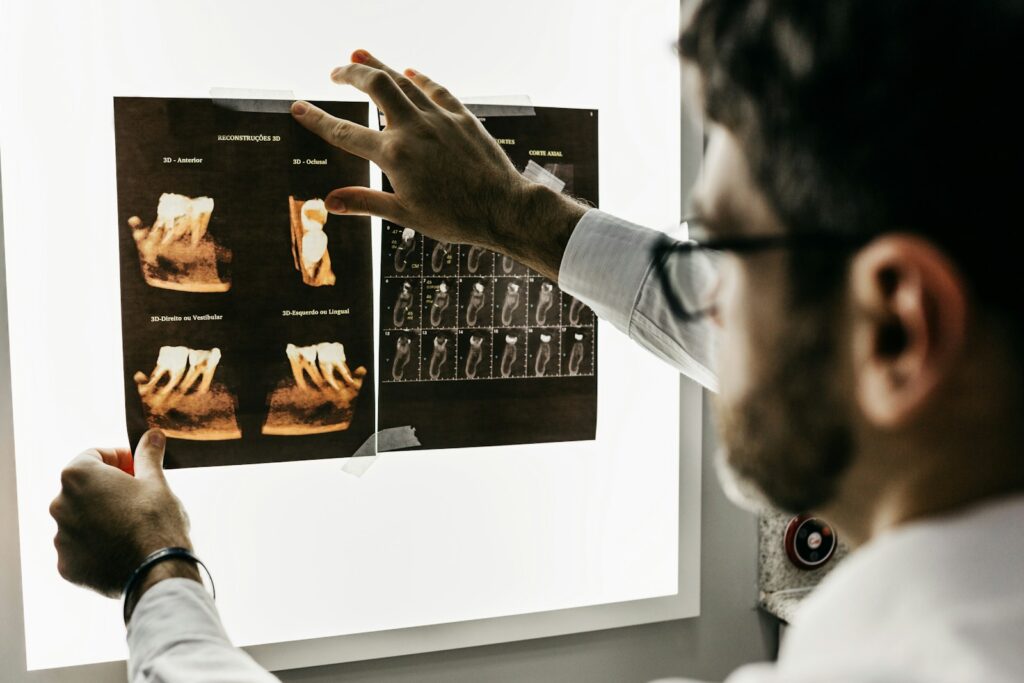
In recent years a counter-movement has gained momentum—one that celebrates natural individuality and embraces small idiosyncrasies in one’s dental appearance. This raises a question at the heart of many dental discussions: should you correct dental imperfections in pursuit of a picture-perfect grin, or would it be more fulfilling to embrace them as part of your unique identity?
According to Dr. Sahil Patel, one of the best cosmetic dentists at Marylebone Smile Clinic, “It’s important for patients to weigh both practical and aesthetic factors, as well as the emotional significance of living with or altering dental imperfections. There is no one-size-fits-all solution in dentistry. Each patient’s journey involves carefully considering the risks, benefits, and personal values attached to enhancing or maintaining the smile they already have.” This expert perspective captures the essence of what many patients currently grapple with in clinics across the capital. While cosmetic dentistry offers state-of-the-art solutions, for some individuals, a little gap in the front teeth or slightly crooked incisors can become endearing traits rather than flaws to be remedied.
Below is a comprehensive look at both sides of this debate. The discussion will explore how shifting social norms, technological advancements, and personal values interact to shape our perception of what makes a smile truly stunning—and whether that involves stepping into a dental clinic or walking confidently with the teeth you already possess.
The Appeal of Imperfections
In an age often associated with social media, filters, and the quest for aesthetic homogeneity, it might appear counter-intuitive to celebrate imperfection. Yet, there is growing enthusiasm for authenticity and individuality, with more people choosing to highlight the traits that make them distinct. Some celebrities, public figures, and influencers have become vocal proponents of “acceptance culture,” emphasizing body positivity that extends to teeth. A snaggletooth, a slight overlap, or a diastema (a gap between the front teeth) can become signatures of one’s personal charm.
From a sociological perspective, changing trends in beauty standards play a substantial role. Imperfections have historically gone in and out of style, much like fashion. In some periods, a tooth gap was even seen as a symbol of good fortune or “luck.” Today, the concept of imperfection is not universally perceived as negative. People are beginning to recognise that slight asymmetries and quirks offer character, providing a distinctive edge and a conversation starter. Sometimes, the little imperfections in one’s teeth can be the very thing that makes them memorable.
There is also a psychological dimension at work. Embracing minor flaws can cultivate self-confidence, teaching acceptance of the body and appearance in its natural state. For individuals who grow weary of chasing perfection, choosing to keep a crooked tooth can be empowering—a stance of defiance against the pressures of modern media. When we look in the mirror and see not just “flaws” but rather traits that tell a story, it can positively affect our mental well-being. People may feel liberated from the constant, and often unrealistic, expectations of perfection.
Still, for others, focusing on acceptance does not necessarily quell insecurities. If a gap or misshapen tooth is causing distress, no amount of popular endorsement of imperfections will magically make that concern go away. Ultimately, the cultural appeal of imperfections varies considerably from person to person, rooted in individual history, confidence, and personal preference.
The Impact of Modern Dentistry
While the modern trend of celebrating certain flaws is undoubtedly a powerful cultural shift, it coexists with an equally powerful reality: contemporary cosmetic dentistry continues to break new ground. Technological advancements have made treatments more precise, less invasive, and more accessible. These breakthroughs not only address medical concerns such as tooth decay or severe misalignment but also cater to subtle aesthetic enhancements.
The typical procedures associated with cosmetic dentistry include orthodontic treatments to straighten teeth, whitening treatments to achieve a brighter appearance, and procedures such as dental bonding, crowns, or porcelain veneers to address shape or structural concerns. With increasing demands, many London clinics have integrated innovative imaging and diagnostic tools, providing patients with a clear preview of post-treatment outcomes before they even sit in the dental chair.
For those seeking nuanced improvements, a popular solution is veneers London clinics offer, which can quickly change the shape, size, and shade of teeth. Dental technology has reached a point where veneers can look extremely natural if done by a skilled cosmetic dentist. The materials used today are often strong yet delicate enough to mimic the translucence of natural enamel, ensuring a smile that appears genuine, rather than artificially “done.”
Orthodontics have seen major strides, too. Clear aligners have become mainstream, eliminating the need for traditional metal braces in many cases. Such treatments let patients maintain a comparatively discreet aesthetic throughout the straightening process. In a world where many individuals juggle social engagements, professional responsibilities, and an active public life, the availability of less noticeable treatments is an enormous advantage.
Though these technologies can work wonders, it is critical to remember that cosmetic dentistry is not simply about vanity. Correcting certain issues—such as severely misaligned teeth—can prevent complications like undue jaw strain, uneven wear, and difficulty with cleaning, which leads to long-term oral health benefits. The decision to undergo cosmetic procedures may start with aesthetic considerations but often yields improved bite functionality, healthier gum lines, and a reduced risk of tooth decay.
Fixing vs Embracing: Weighing the Options
The question of whether to fix or embrace imperfections is rarely black and white. Patients may have a variety of motives, including functional, aesthetic, emotional, or social concerns. When determining the best path forward, it is helpful to evaluate the reasons behind the desire to make changes, as well as the practical considerations that accompany different procedures.
For instance, if a small chip on your front tooth is purely cosmetic and does not compromise oral health, the motivation to repair it might revolve primarily around personal comfort with your appearance. On the other hand, a slight misalignment that leads to headaches or uneven wear might be a more pressing concern. Either scenario could guide you toward a dental procedure, or it might push you to accept the aesthetic quirk if the functional implications are negligible.
Longevity of results is also important. Many procedures, such as veneers, require maintenance and may eventually need to be replaced. If you choose orthodontic treatments, proper aftercare will involve retainers or other long-term measures to ensure that the newly aligned teeth remain in place. These are not fleeting choices, and it helps to be fully informed about the commitment each procedure entails.
Moreover, some individuals find themselves in a financial dilemma when exploring cosmetic treatments. While advanced procedures can offer near-immediate transformations, they can also carry a significant price tag. For many people, the cost is justifiable if it brings relief from years of dissatisfaction or resolves health-related issues. For others, it may be more economical to simply maintain a diligent oral hygiene routine and appreciate the smile they already have, especially if minor imperfections do not cause them distress.
Making an informed decision often requires consulting with a professional. A qualified dentist or specialist will provide an honest assessment of your dental situation, the potential benefits of intervention, and any risks attached to leaving certain issues unaddressed. This is also the stage where you can ask about how different treatments fit your lifestyle, budget, and long-term aspirations, clarifying whether it is more suitable to invest in adjustments or embrace your individual quirks.
The Role of Self-Image and Cultural Influences
Dental choices frequently intersect with broader issues of self-esteem, identity, and belonging. The cultural surroundings of a major city like London can intensify the pressure to present a certain image, especially for those in public-facing roles or professions in which personal appearance is scrutinised. The city’s diverse social fabric also influences standards of beauty, and what is considered attractive or “imperfection” can vary widely between communities.
Social media platforms contribute significantly to the landscape. Influencers, YouTubers, and celebrities often showcase “perfect” smiles, sometimes achieved through filters or editing software that remove any trace of imperfection. This digital environment can lead to unrealistic expectations, where people compare themselves not just to real-world peers but to heavily curated online personas. For an individual who views their slightly crooked front tooth as an embarrassment, seeing a constant flood of unblemished teeth on Instagram might reinforce the idea that they need to change.
However, counter-movements exist on these same platforms, celebrating diversity and authenticity. Hashtags advocating body positivity continue to gain traction, leading some to share unedited photos and personal stories about learning to love their imperfections. This coexistence of messages—some endorsing extreme perfection, others embracing distinctive personal features—underscores how polarised and personal the choice can be.
Those who decide to alter their teeth may do so for reasons beyond aesthetics, such as building confidence to succeed in the workplace or the entertainment industry. Others might feel comfortable with their quirks, bolstered by a belief in self-acceptance. In the end, the decision is largely shaped by how each person feels about themselves and the extent to which they are influenced by societal norms or expectations.
The Road to a Confident Smile
Confidence and satisfaction are highly subjective states of mind. What makes one person confident could be profoundly different from another’s experience. For some, a confident smile is one that reflects years of personal growth and acceptance of minor quirks. For others, the knowledge that they have corrected a gap, discolouration, or asymmetry alleviates a burden that may have weighed on them for ages. The path each person chooses is as individual as the smile itself.
Whether you opt for treatments or decide to love your imperfections, setting realistic expectations is crucial. For those who wish to undergo a cosmetic procedure, it is helpful to visualise what a satisfying result would look like. Communicating with your dentist is paramount. Articulating your preferences—whether you still want a touch of originality in your smile or you are seeking a textbook-perfect alignment—will help the dentist tailor the procedure. With treatments like veneers London clinics offer, for example, there is flexibility in the final outcome, which can be customised to suit your preferences. Some people request a perfectly even set of veneers, while others intentionally retain a hint of individuality to avoid an overly uniform appearance.
Conversely, if you decide to embrace what you have, it can be beneficial to reframe how you view your teeth: less as flaws that must be hidden, and more as distinctive traits of your physical self. In some cases, small cosmetic steps—such as whitening or routine cleaning—offer a middle ground. These may help you feel more polished and comfortable while still retaining the unique shape and alignment of your natural teeth. Some individuals find that making an investment in improved oral hygiene and small enhancements can radically change the way they see themselves, without venturing into more comprehensive cosmetic measures.
The Importance of Oral Health in Either Scenario
Whether fixing or embracing your imperfections, maintaining robust oral health remains the bedrock of a bright smile. Regular brushing and flossing, using a suitable fluoride toothpaste, and attending routine check-ups are non-negotiable aspects of good dental health. Any decision concerning cosmetic modifications must be supported by a commitment to prevent gum disease, cavities, and other ailments that can compromise the structural integrity of your teeth.
Your dentist will often stress the necessity of a strong dental foundation before proceeding with treatments. If you choose veneers or other cosmetic applications, you will need sufficient tooth structure to support them. A healthy gum line and properly cared-for teeth will not only make procedures more effective but also ensure lasting results. If you decide to keep your teeth as they are, it is equally crucial to guard against plaque build-up, address minor issues like chips or cracks before they worsen, and be vigilant about any shifts in alignment that may indicate underlying problems.
For those who undergo treatments, your dentist might recommend special aftercare. Wearing a protective guard at night, avoiding excessively hard foods, and rethinking certain habits like nail-biting or using teeth to open packages can substantially extend the lifespan of the procedure. Every intervention, no matter how advanced, has its own vulnerability. Respecting the aftercare instructions helps guarantee that your investment lasts as long as possible.
Ultimately, your smile is more than its aesthetic appeal. It is also a reflection of your overall health. When you prioritise oral hygiene, you benefit from fresh breath, lower chances of infection, and a reduced risk of conditions like heart disease that have been linked to gum health. This makes it abundantly clear that whichever direction you choose—fixing or embracing—the cornerstone remains diligent care and attention to your teeth and gums.
Cosmetic Treatments and Their Evolving Reputation
Cosmetic dentistry was once regarded with scepticism, occasionally viewed as a frivolous pursuit. These attitudes have gradually shifted as the public has grown more aware of how treatments can address not only cosmetic but also functional concerns. In London, this shift is particularly evident. The city’s rich tapestry of professionals, creatives, and trendsetters has led to an environment where self-improvement is celebrated, as long as it is done responsibly and with the patient’s well-being in mind.
Clinic websites, magazines, and social media profiles that showcase transformative before-and-after photos have contributed to normalising cosmetic procedures. Seeing tangible examples of how veneers, clear aligners, and other treatments can refine a person’s smile while still retaining a natural appearance has softened prior reservations. It is also common to find testimonials from individuals who share how addressing a once-sensitive issue gave them a new lease on life, both socially and professionally.
The mainstreaming of cosmetic dentistry comes with greater responsibility. Reputable dentists in London and beyond consistently emphasise patient education and transparency. This includes discussing possible side effects, such as tooth sensitivity, the need for replacements down the line, and realistic timelines for healing. They underscore that cosmetic dentistry is not a quick fix that automatically rectifies deeper issues of self-esteem. The more the field advances, the clearer it becomes that any cosmetic procedure should be part of a balanced approach to well-being.
A Closer Look at “Veneers London” Options
Veneers London may make you think of flawless Hollywood grins and rows of teeth, but there’s more complexity to the procedure than that. To enhance the look of teeth, veneers are thin shells that are attached to the front surface. These shells are often constructed of porcelain or composite resin. Many factors have contributed to their meteoric rise in popularity. For starters, they may address several aesthetic issues simultaneously, including as stubborn stains that won’t go away with whitening, small chips, or specific misalignments. To continue, modern porcelain has come a long way in recreating the lustre and sheen of natural tooth enamel.
In London, clinics known for cosmetic dentistry often offer a variety of veneer materials and techniques to accommodate diverse patient needs. Some individuals want a complete smile makeover involving all front teeth, while others focus on a single tooth that has been discoloured or chipped for years. When planned and executed by a skilled dentist, veneers can achieve stunning results with minimal alterations to the original tooth structure.
That said, veneers do require an element of permanence, as the process involves removing a thin layer of enamel. Patients considering them should be ready for the lifetime commitment, which includes potential future replacements. Dentists typically spend considerable time planning the treatment, taking detailed impressions, and sometimes creating temporary veneers for patients to test-drive the look and feel before finalising. It is a decision not to be taken lightly, but for many, it represents an opportunity to correct long-standing concerns and gain a newfound sense of confidence.
Maintaining Your Smile, Imperfect or Perfect
Whether you choose to undergo a cosmetic procedure or continue to love your natural imperfections, proper maintenance is vital. Regular check-ups allow your dentist to spot early signs of gum disease or decay. If you smoke or consume beverages with a high staining potential—such as coffee, tea, or red wine—be mindful of the effects on your teeth. Stubborn stains can form on both natural enamel and cosmetic restorations, affecting how your smile looks over time.
A balanced diet also plays a key role. Foods rich in calcium and vitamins can strengthen the teeth and gums. Conversely, a diet high in sugary snacks or acidic drinks contributes to erosion and decay. People who have had veneers may wish to exercise additional caution when it comes to biting into particularly hard substances, such as ice or boiled sweets, which can place undue stress on the porcelain shells.
In terms of cleaning techniques, dentists frequently recommend gentle brushing with a soft-bristled brush, utilising fluoridated toothpaste, and carefully flossing at least once a day. Electric toothbrushes can sometimes be more efficient at removing plaque, but it ultimately comes down to personal preference, provided that the recommended technique is employed. A final note is that if you notice anything unusual—sensitivity, pain, bleeding gums—seek professional guidance as soon as possible. Early intervention can prevent minor issues from escalating into costly or irreversible problems.
Balancing Aesthetics and Self-Acceptance
The modern landscape of dentistry allows patients to exercise choice in remarkable ways, whether you want to keep a small gap, correct crooked teeth, or simply whiten your existing smile. The tension between fixing or embracing imperfections hinges on multiple factors: personal taste, financial considerations, social pressures, health requirements, and psychological well-being. For some individuals, perfect alignment or shape might resonate with their sense of confidence and identity. For others, distinct quirks are an integral part of their self-image, not something to be smoothed out.
Dentists, especially those at the forefront of cosmetic work in London, frequently adopt a patient-centric approach, providing nuanced advice that extends beyond profit-driven motivations. This means helping patients reflect on what truly matters to them and ensuring that any transformation is in harmony with their overall sense of self. The goal is not to encourage unnecessary treatments but to empower individuals to make informed, balanced decisions about their dental care.
In a city as multifaceted as London, it is no surprise that perspectives on dental imperfections are equally varied. Some prefer to preserve the unique geometry of their teeth, viewing it as emblematic of heritage, family resemblance, or personal character. Others long to see uniformity and brightness shining back at them in the mirror, confident that their life will improve once the source of their self-consciousness is addressed. Whichever path resonates most, the ethos of modern dentistry is to support patients in achieving a healthy smile that aligns with their physical, emotional, and social needs.
Conclusion
Deciding whether to fix or embrace dental imperfections is ultimately an intensely personal choice, influenced by shifting cultural standards, medical realities, and individual preferences. Cosmetic dentistry in London has evolved to offer a range of treatments, from subtle tweaks to complete transformations. Innovations like veneers London dentists provide can be harnessed for natural-looking changes, while orthodontic and whitening treatments round out a comprehensive suite of options for those who wish to refine their appearance.
Yet, it is equally valid to celebrate your one-of-a-kind smile, choosing acceptance over alteration. The push toward body positivity and authenticity has granted many people the confidence to appreciate their so-called flaws as signature features. In a dynamic, global city, this movement towards self-love coexists harmoniously with state-of-the-art cosmetic practices. Regardless of which approach you choose, the non-negotiable foundation remains the same: consistent oral hygiene, responsible dietary habits, and regular dental check-ups.
Whether you view your imperfections as charming or burdensome, the knowledge and resources exist in London to help you make an informed, meaningful decision. The real measure of a perfect smile lies less in millimetres of alignment or exact shades of brightness, and more in whether it reflects your true sense of self. If a subtle correction grants you the assurance you have been seeking, today’s technologies and professionals stand ready to help you achieve that. If you decide that your smile’s quirks are part of your story, the world of dentistry supports that choice as well. In the end, the power rests with you: to claim, design, and sustain the smile that makes you feel most at home in your own skin.
Image source: Unsplash